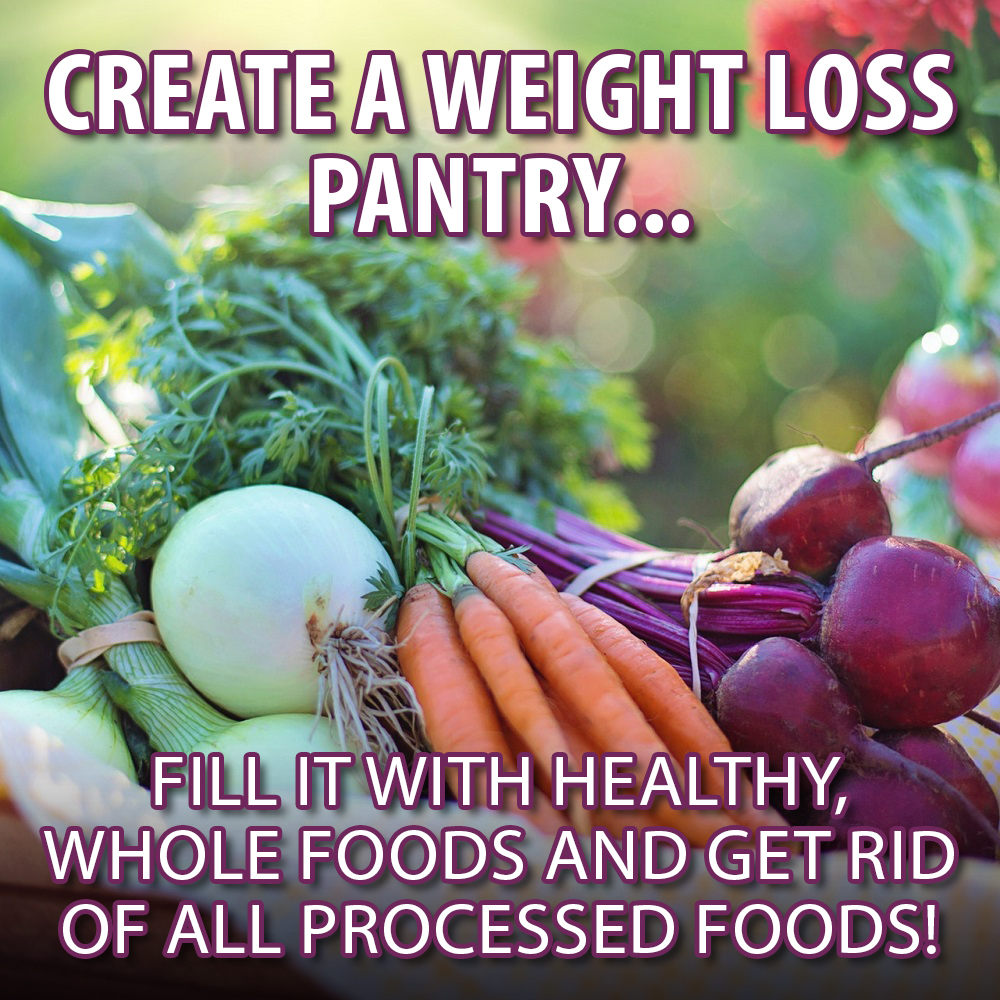
The foundation of long-term health and sustainable weight loss begins with the choices you make every day—and many of those choices start in your pantry. You can absolutely have a well-stocked, abundant kitchen that supports weight loss. It simply requires thoughtful grocery shopping and intentional food selection.
Think of your pantry as a set of building blocks. Every item plays a role in the meals you prepare and the habits you reinforce. When your pantry is stocked with nourishing foods, it becomes much easier to create meals that support fat loss, manage hunger, and reduce cravings.
Sweeteners
Have you heard of the Glycemic Index (GI)? It measures how quickly a food raises blood sugar after it’s consumed. While it’s often discussed in relation to diabetes, the GI matters for weight loss as well.
Foods with a high GI can cause rapid blood sugar spikes followed by crashes—leading to increased hunger and cravings. That’s why refined sugar can sabotage weight loss. Swapping processed sugar for lower-GI, more natural alternatives can help you feel fuller longer and maintain steadier energy levels.
Consider replacing refined sugar with:
- Fruits such as apples and bananas (fresh or frozen after peeling and chopping)
- Dates, date sugar, date syrup, or date nectar
- Brown rice syrup
- Raw honey
- Coconut sugar
- Molasses
- Maple sugar or pure maple syrup
These are still forms of sugar, so moderation is key. However, they are preferable to heavily processed sugars and can support healthier eating when used mindfully.
Rethink Dairy Choices
Many people find that reducing or eliminating traditional dairy helps with digestion and joint inflammation. Plant-based alternatives can be a helpful addition to a weight loss pantry.
Unsweetened plant milks can be used in cooking, baking, eggs, creamy dishes, and even coffee or tea. Almond milk is the most popular choice, but coconut, oat, and other nut milks are also widely available.
Cheese can be a tougher transition—nothing tastes exactly like the real thing. However, alternatives such as almond ricotta, crème fraîche-style plant options, or bagged grated plant-based cheese can help satisfy cravings while supporting your goals.
Healthy Fats
Healthy fats are essential for hormone balance, satiety, and overall health. The key is choosing quality sources and using them in appropriate portions.
Extra virgin olive oil is a pantry staple, but because fats are calorie-dense, portion awareness matters when weight loss is your goal. Ghee is a suitable alternative to butter, as it removes milk solids while retaining flavor.
Other healthy fat options include:
- Avocado oil
- Sesame oil
- Coconut oil
- Safflower oil
- Grapeseed oil
Be mindful of cooking temperatures—overheated oils can lose nutritional value. Whole-food fat sources are also excellent additions, such as avocados, shredded coconut, nuts, nut butters, seeds, and oily fish like wild-caught salmon or mackerel.
Meat
If you include meat in your diet, focus on lean cuts and choose organic when possible. Keeping your protein sources clean and high-quality supports muscle maintenance, satiety, and metabolic health.
Produce
Fresh fruits and vegetables should always be the backbone of your kitchen. Whenever possible, choose produce that is in season. Seasonal eating ensures better flavor, higher nutrient content, and often lower grocery costs.
A variety of colorful vegetables provides fiber, vitamins, minerals, and antioxidants—all of which support weight loss and overall health.
Whole Grains, Beans, and Legumes
Whole grains, beans, and legumes help keep you full and provide steady energy. They also deliver important nutrients and fiber that support digestion and blood sugar balance.
Dried beans are excellent for soups and stews, while canned beans work well for quick meals—just rinse them to reduce sodium. Replace white rice with options like quinoa, couscous, or rye flakes to add variety and nutrition.
When baking or cooking, skip all-purpose flour and opt for rye, spelt, or buckwheat flour instead.
Flavor Without the Extras
Instead of relying on sugary condiments and heavy sauces, stock your pantry with herbs, spices, vinegars, and citrus. These add flavor without unnecessary calories or additives and make healthy meals more satisfying.
Final Thoughts
Creating a weight loss pantry is one of the most effective steps you can take toward lasting change. When your kitchen is stocked with nourishing, intentional choices, healthy eating becomes easier—and temptation becomes less powerful.
You don’t need a perfect pantry overnight. Start by making small swaps and building habits gradually. Over time, your pantry will reflect the lifestyle you’re creating—one built around balance, satisfaction, and sustainable weight loss.
When healthy choices are the default, weight loss stops feeling like a struggle and starts feeling like a natural outcome of how you live and eat.