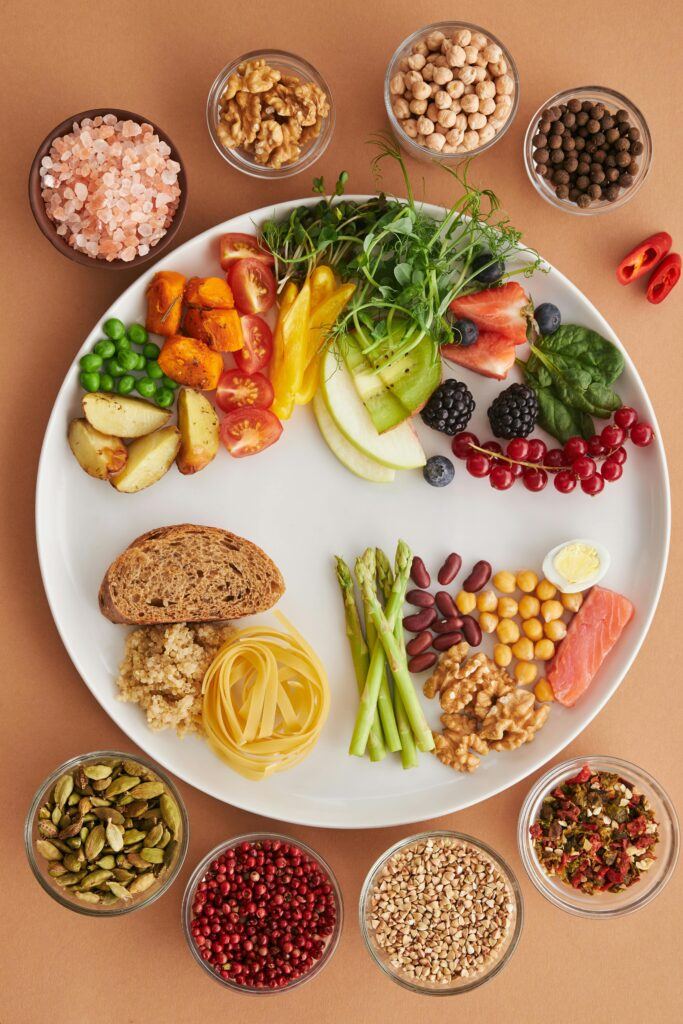
Finding a diet plan that actually leads to weight loss can be a wild ride with all the information out there. I’ve tried a bunch of different approaches over the years and picked up tips from friends, dietitians, and even a few nutrition podcasts along the way. What I’ve found most helpful is keeping things simple, focusing on how I feel, and grabbing the ideas that actually fit into my daily routine. Plus, staying consistent with meals, even on weekends, makes a noticeable difference in keeping momentum and results.
Below are the top 5 most effective diet plans for weight loss based on research, personal experience, and a good dose of trial and error. Each plan is a little different, so it’s worth checking out the details, thinking about your lifestyle, and even mixing and matching elements to find what really works for you. If you’re feeling overwhelmed by all the options, just start small and add in new habits one at a time.
1. Mediterranean Diet: A Flavorful and Flexible Approach
The Mediterranean diet gets a lot of good press, and for good reason. This eating style is all about whole foods, lean proteins, healthy fats, and tons of fruits and veggies. I like that it’s more flexible than a lot of strict diets, so I never feel totally boxed in or deprived.
Key foods include olive oil, fish, whole grains, beans, nuts, and plenty of leafy greens. There’s room for occasional treats, and it doesn’t cut out any one food group entirely. This freedom makes it easy to stick with, and meals often taste like something you’d find in a cozy seaside café.
Why It Works for Weight Loss:
- You eat lots of filling fiber and healthy fats, which help you stay full for longer.
- Processed foods and added sugars are kept to a minimum.
- Meals are satisfying but not heavy, which can help with portion control.
Research shows folks following the Mediterranean diet tend to lose weight and see improvements in heart health and energy levels. For anyone who loves variety and, occasionally, a glass of red wine, this plan is pretty handy. Sticking with seasonal produce and fresh herbs also keeps meals exciting and nutritious. (Harvard Health)
2. Low-Carb Diet: Cutting Carbs, Not Flavor
Low-carb diets are pretty popular, and for good reason. They can lead to fast results for some people and are flexible enough to fit different tastes. There are a lot of versions here, like keto, Atkins, and more relaxed plans that simply limit bread, pasta, rice, and sugar.
I find the most success when I cut back on carbs but still eat a good amount of veggies and lean protein. The strictest lowcarb diets, like keto, lean into healthy fats, some protein, and very few carbs. More moderate plans just focus on skipping refined wheat and sugar, making them easier to manage if you love fruit or the occasional bowl of oatmeal.
Low-Carb Diet Pros:
- Reduces appetite and cravings.
- Leads to quick water weight loss in the first week or two, which feels super motivating early on.
- Supports steady blood sugar, which can curb hunger spikes.
Some people experience fatigue or mood swings if they ditch carbs too quickly, so it can be helpful to ease into it or include some whole grains and fruit. Snacks like Greek yogurt, eggs, or nuts provide good energy and satisfaction. (Mayo Clinic)
3. Intermittent Fasting: Timing Your Meals for Results
Intermittent fasting has really taken off lately, and I can see why people like it. The focus is on when you eat, not so much what you eat. This plan involves cycling between periods of eating and fasting. The most common methods are the 16:8 (16 hours fasting, 8 hours eating) or 5:2 (eating normally for 5 days, then limiting calories for 2 days each week).
The first few days might be tough, especially if you’re used to snacking late at night, but people usually adjust after a week or two. It’s good to plan meals with plenty of protein and vegetables during your eating window to avoid overdoing it when the fasting period ends.
How Intermittent Fasting Supports Weight Loss:
- You eat fewer meals overall, often leading to lower calorie intake.
- Giving the body time without food helps use up stored energy (fat).
- Many say they feel less bloated and have better focus during fasting windows.
This approach doesn’t work for everyone, but it’s a solid option for people who prefer clear rules around meal timing over strict food lists. Staying hydrated can make fasting periods easier, and black coffee or herbal tea are usually allowed. (Johns Hopkins Medicine)
4. Plant-Based Diet: Going Green for Your Goals
Plantbased eating isn’t just for vegans—anyone can take a plantforward approach and see benefits. This diet plan centers around whole, minimally processed plant foods like veggies, fruits, whole grains, legumes, nuts, and seeds. Animal products are limited, but not always totally excluded, making this plan accessible for most lifestyles.
I’ve found this way of eating can be super satisfying if I focus on proteinrich plants like lentils, chickpeas, tofu, and tempeh. The fiber and water content in most plant foods keep me full, and meals feel light but energizing. Seasonings play a huge role, so don’t be afraid to experiment with spices and world flavors for added variety.
Easy Ways To Start:
- Swap one or two meals a week for vegetarian or vegan options.
- Add extra veggies and beans to soups, salads, and grain bowls.
- Try plantbased versions of favorite dishes (like bean chili or tofu stir fry).
This diet supports weight loss by naturally reducing calorie intake and limiting processed junk food. It’s also pretty budgetfriendly and environmentally friendly, so your choices can make a positive impact on your wallet and the planet. (EatRight.org)
5. DASH Diet: Healthy Eating for More Than Just Weight
The DASH diet (Dietary Approaches to Stop Hypertension) was originally created to improve heart health, but it also works well for weight loss. This eating plan is focused on reducing sodium and eating lots of fruits, veggies, lean protein, nuts, and lowfat dairy. By making these foods the center of your meals, you’ll likely eat less processed food, which is a big win for health and weight management alike.
I love the structure of the DASH diet when I need a reset. Serving sizes and food types are clearly listed, so meal planning is simple. There are optional tweaks for people who want to go lowercarb or plantbased, so it’s easy to adjust for your own preferences.
DASH Diet Benefits:
- Balanced meals that cut back on processed foods and salt.
- Supports stable blood pressure and helps prevent overeating.
- The focus on real food makes it easy to stick with long term.
People who follow DASH often notice weight loss sneaks up in a good way, without feeling like they’re on a deprivation diet. Plus, it’s a top pick among doctors and nutritionists for improving overall health. (CDC)
How I Mix and Match For Success
If you’re like me, sticking to one plan all the time can be tough. I like to take bits and pieces from each of these diets—the Mediterranean approach for most meals, some lowcarb tricks when cravings hit, and a few plantbased days every week. Intermittent fasting comes in handy when I’m traveling or need to get back on track after a busy weekend.
When trying a new approach, I always check how foods make me feel. If something leaves me low on energy or constantly thinking about food, I switch it up until it fits my routine better. Checking in with a registered dietitian when making bigger changes can help, especially if you have health conditions or want more support. Remember to give yourself grace, and that tuning in to your body’s signals is always worth it.
Wrapping Up
No single diet plan works for everyone, but the five approaches above all have plenty to offer if weight loss is your goal. Finding the right combination that suits your schedule, preferences, and energy needs is really important. Trying things out and being kind to yourself along the way is a solid way to see what truly works for you. It might take time to figure out what feels sustainable, but your patience will pay off with results you can maintain for life. And don’t hesitate to celebrate every small win—each healthy meal adds up!