For most people, the hardest part of any weight loss plan is the transition period—especially at the beginning. Eating habits, including food choices and portion sizes, are deeply ingrained. That’s why so many diet attempts fail early on. Suddenly changing what you eat, how much you eat, or when you eat can feel overwhelming, particularly for those trying to cut calories or experiment with fasting.
If you’re someone who struggles with going long periods without food, the good news is you don’t have to rely on willpower alone.
One common reason diets fail is not hunger itself, but a lack of preparation combined with unrealistic expectations. Skipping meals or fasting without a plan often leads to intense cravings, poor food choices, and eventually giving up altogether.
A smarter approach to weight loss starts with realistic goals. Sustainable weight loss takes time—after all, gaining weight didn’t happen overnight. Understanding this helps you stay patient and consistent when progress feels slow.
Understanding Hunger Signals
Hunger is your body’s way of telling you it needs energy. When you reduce calorie or carbohydrate intake (which is necessary for weight loss), your blood sugar drops and your brain responds by sending hunger signals.
However, hunger is not just biological—it’s also habitual. If you’re used to eating frequently or consuming large portions, even a small dip in blood sugar can feel urgent. This doesn’t mean you’re starving; it means your body and mind are adjusting.
If you’re new to fasting or reduced-calorie eating, hunger can feel intense at first. Your subconscious interprets the change as a threat, even when your body has plenty of stored energy to draw from. Over time, this response softens as your body adapts.
Be Prepared, Not Perfect
Success with weight loss requires more than discipline—it requires preparation. Until you learn to recognize true hunger and respond to it mindfully, having smart snack options on hand is essential.
Without preparation, hunger often leads to quick fixes: high-glycemic, sugar-filled foods that provide brief satisfaction but ultimately increase cravings. These foods trick your brain, sharpening your appetite instead of calming it.
When hunger strikes, knowing what to eat—and having it readily available—can make the difference between staying on track and slipping into old habits. This approach supports long-term consistency rather than short-term restriction.
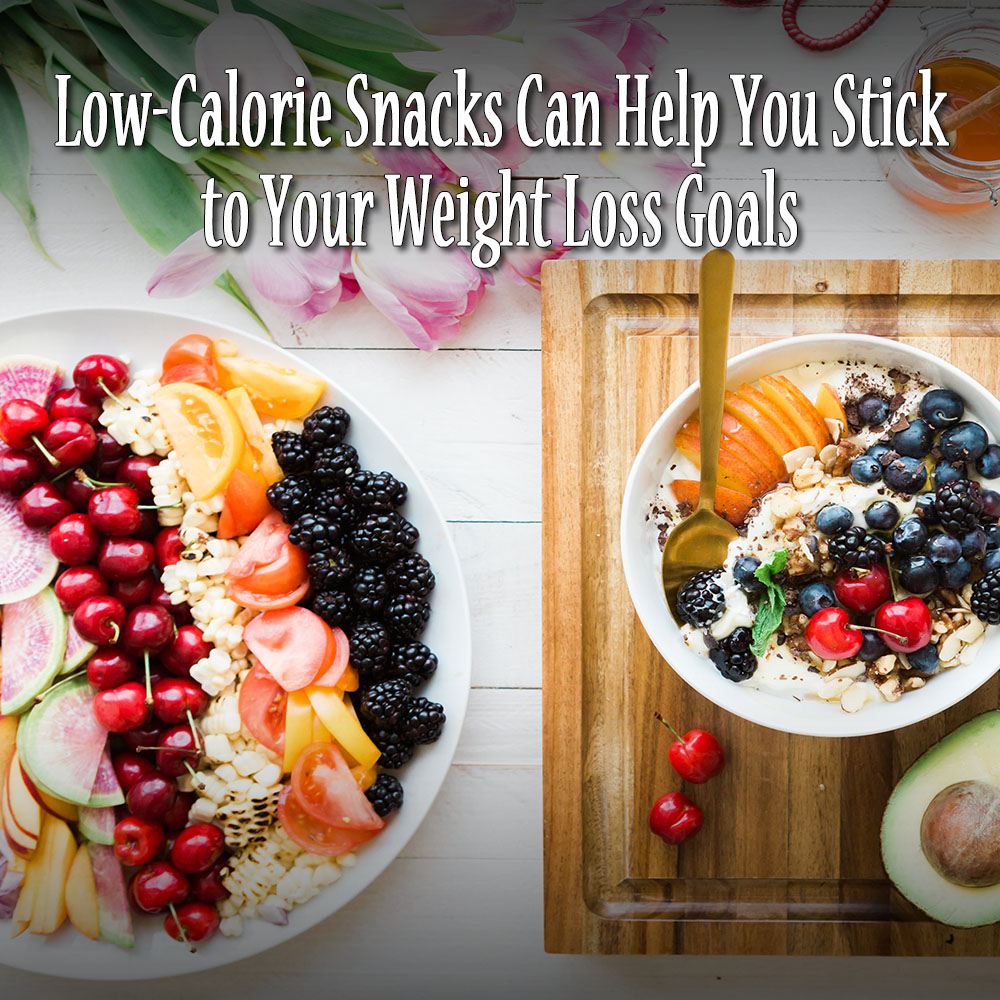
Below are a few low-calorie snack options that can help manage hunger while you build better awareness and self-control. Over time, you may find you need them less and less.
Popcorn
Three cups of air-popped popcorn contain fewer than 100 calories. It’s high in fiber, a whole grain, and naturally rich in nutrients like potassium and magnesium. Popcorn can be a healthy, satisfying snack—as long as it’s free from added butter, sugar, or artificial flavorings. Once those extras are added, calories quickly add up.
Nuts
Nuts are a nutrient-dense snack packed with protein and healthy fats. Choose raw or dry-roasted varieties and avoid those with added sugar or excess salt. While nuts are higher in calories than some snacks, they promote fullness quickly and keep hunger at bay for longer periods. A small handful is usually enough to take the edge off.
Eggs
Eggs are highly nutritious, filling, and rich in protein, making them an excellent snack option. One large hard-boiled egg contains about 78 calories and provides protein, healthy fats, vitamin B12, phosphorus, and vitamin A. Eggs are also versatile, easy to prepare, and pair well with many other foods.
Peanut Butter with Banana or Apple
If you enjoy peanut butter, this is a satisfying and nutrient-rich option. Pairing a banana or apple with peanut butter adds fiber and natural sweetness while the protein and fats help keep you full. Limit peanut butter to about two tablespoons to avoid excess calories while still getting the benefits.
Smoothies
Smoothies are an easy way to incorporate fruits and vegetables, especially if you struggle to eat them whole. The key is moderation. Avoid turning smoothies into calorie-heavy drinks by limiting added sugars, sweetened milk, and extra ingredients. Used thoughtfully, smoothies can be a convenient and nourishing snack.
Final Thoughts
Low-calorie snacks aren’t a sign of weakness—they’re a practical tool. During the early stages of weight loss, they help bridge the gap between old habits and new routines. With preparation, awareness, and realistic expectations, hunger becomes manageable rather than overwhelming. Over time, as your body adapts and your habits change, you may find you rely less on snacks and more on mindful eating. Until then, choosing smart, low-calorie options can help you stay consistent and keep moving toward your goals—one decision at a time.