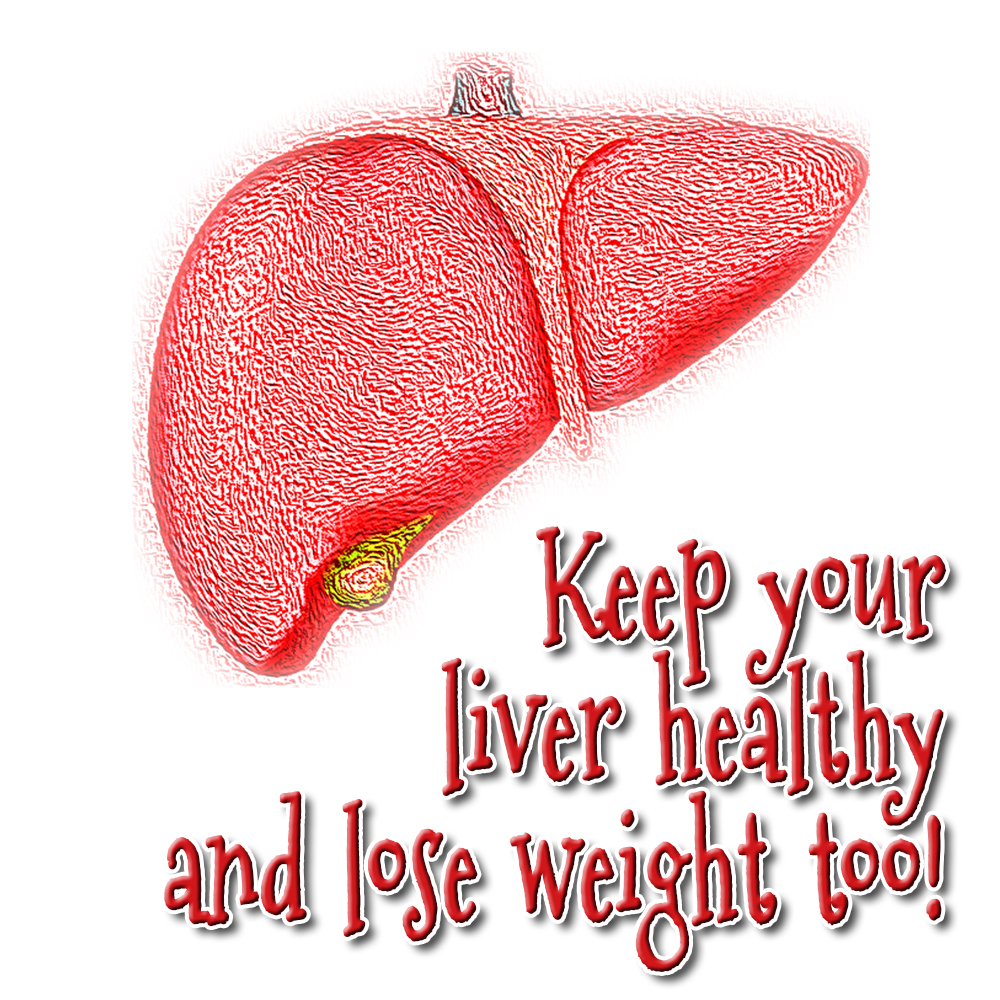
When most people think about the liver, they usually associate it with alcohol consumption. What often gets overlooked, however, is the liver’s major role in metabolism and overall weight management. While it isn’t the only factor that influences weight loss, the liver plays an important supporting role in how your body processes fats, nutrients, and toxins.
The liver helps produce bile, which assists the body in breaking down dietary fats. It also works as a filtration system, helping remove toxins from the bloodstream and supporting energy production. When your liver is functioning efficiently, your body is generally better equipped to process nutrients and regulate metabolism.
On the other hand, poor dietary habits, excess processed foods, and a sedentary lifestyle can place additional strain on the liver. Over time, this can contribute to metabolic inefficiency and, in some cases, fat accumulation around the liver. This condition—commonly referred to as fatty liver—can make overall weight management more challenging and may contribute to symptoms such as fatigue, bloating, and sluggishness.
Because of its wide-reaching responsibilities, supporting liver health can be a valuable part of an overall weight-loss and wellness strategy.
Below are several nutrient-rich foods that may help support liver function while complementing a healthy lifestyle.
Papayas
Papayas contain an enzyme called papain, which assists with protein digestion and supports healthy digestive processes. They also contain antioxidants that may help reduce inflammation. Some people consume small amounts of papaya seeds, which contain plant compounds that may support liver health, although moderation is recommended due to their strong flavor and potency.
Grapefruit and Other Citrus Fruits
Grapefruit, lemons, limes, and oranges are rich in vitamin C and antioxidants. These nutrients support the body’s natural detoxification pathways and help protect cells from oxidative stress.
Fresh citrus juice—particularly when consumed without added sugars—can be a refreshing way to support hydration and nutrient intake. Whole fruit is often even more beneficial because it provides additional fiber, which supports digestion and blood sugar balance.
Carrots and Beets
Carrots and beets contain beta-carotene, flavonoids, and plant-based antioxidants that support liver function and overall metabolic health. These vegetables are also high in fiber, which helps digestion and promotes satiety—an important factor in weight control.
They can be roasted, eaten raw, or blended into juices and smoothies. Pairing them with naturally sweet ingredients like apples can make them even more enjoyable.
Avocados
Avocados are well known for their heart-healthy fats, but they also contain compounds that support liver function. One key compound they help promote is glutathione, an antioxidant that plays a role in the body’s detoxification process.
In addition to supporting liver health, avocados provide fiber and healthy fats that help promote fullness and stabilize blood sugar—two important elements in sustainable weight loss. Other foods that support glutathione production include spinach, okra, and asparagus.
Broccoli and Other Cruciferous Vegetables
Cruciferous vegetables such as broccoli, kale, Brussels sprouts, and cabbage contain compounds that support the liver’s natural detoxification enzymes. These vegetables are nutrient-dense, low in calories, and high in fiber, making them excellent additions to a weight management plan.
Regular consumption of cruciferous vegetables has also been associated with supporting the body’s ability to regulate fat metabolism and maintain overall metabolic health.
Supporting Your Liver Beyond Food
While diet plays a significant role, liver health is also influenced by lifestyle habits. Consider supporting your liver by:
- Staying physically active
- Maintaining a balanced, whole-food-based diet
- Staying hydrated
- Limiting highly processed foods and excess added sugars
- Managing alcohol consumption responsibly
- Getting adequate sleep
Small, consistent habits often create the greatest long-term benefits.
Final Thoughts
Your liver is one of the hardest-working organs in your body, performing hundreds of essential functions every day. While it isn’t solely responsible for weight loss success or failure, its role in metabolism, detoxification, and nutrient processing makes it an important partner in your overall health journey.
Supporting liver health isn’t about quick detoxes or extreme cleanses. Instead, it’s about building sustainable habits—eating nutrient-dense foods, staying active, and making consistent lifestyle choices that allow your body to function at its best.
If weight loss has been challenging, it may be worth looking beyond calories alone and focusing on overall metabolic health. By taking care of your liver and your body as a whole, you create a stronger foundation for long-term weight management, improved energy, and better overall wellness.