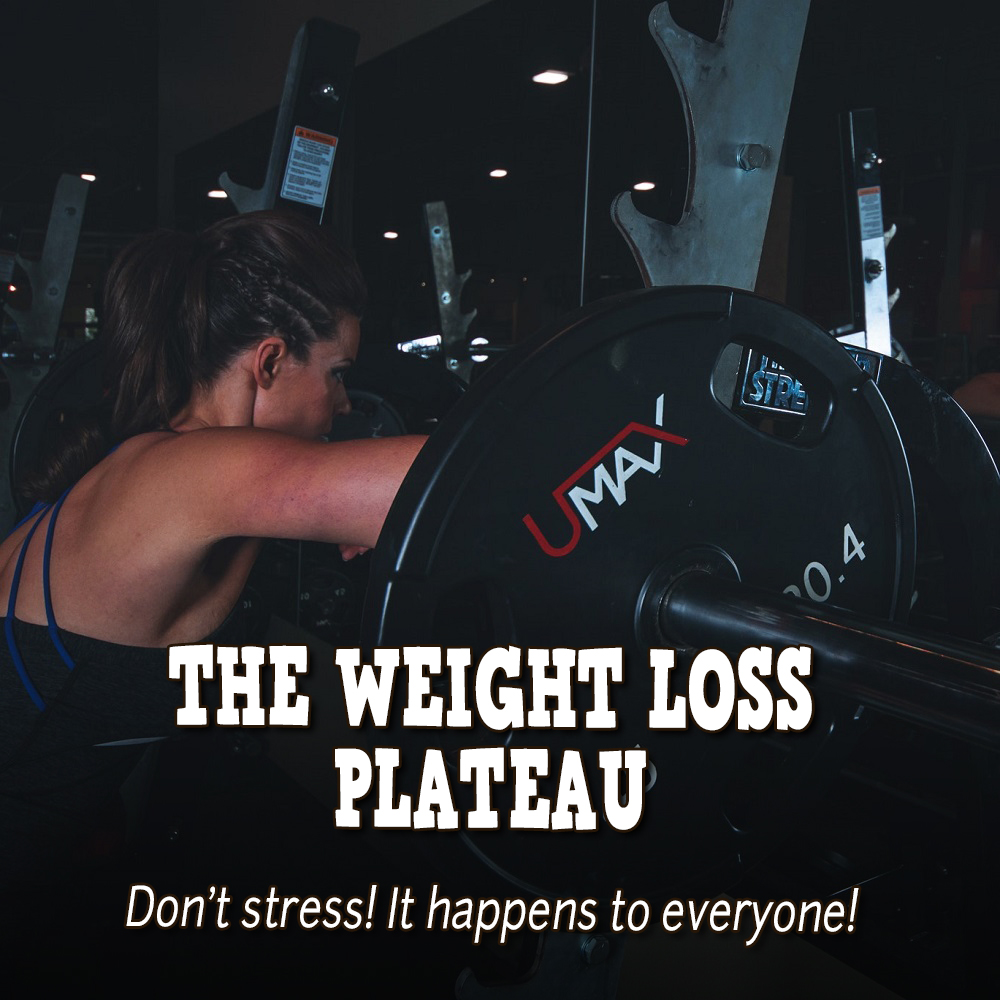
There are few feelings more rewarding than seeing the results of hard work finally pay off. Early in your weight loss journey, the changes come quickly. You commit, you adjust your habits, and the scale begins to move. The weight drops steadily, and progress feels almost effortless.
Then it happens—you hit the plateau.
At first, it doesn’t bother you much. You feel better, your clothes fit differently, and you’ve already made real progress. But as time goes on and the scale refuses to budge, frustration creeps in. The closer you get to your goal, the harder it becomes to lose those last stubborn pounds.
Does this sound familiar?
In the beginning, the causes of weight gain are obvious. It’s the extra soda each day, the weekly pizza night, the office pastries, or the oversized portions. You identify the problem, remove it, and your body responds. That early success fuels motivation.
When the plateau hits, you try harder. You cut portions, drink more water, and stay consistent. You’re doing everything “right”—yet nothing seems to change.
So what’s going on?
The truth is, there isn’t just one type of weight loss plateau. And that’s one reason why sustainable weight loss can feel so challenging.
Diet plays a critical role in weight loss—often more than exercise (though exercise still matters). But ironically, exercise itself can sometimes contribute to the confusion surrounding plateaus. When you’re close to your goal, it’s easy to become fixated on the scale and give that number more power than it deserves.
You don’t need to stress about a plateau. You need to get strategic. Beating a weight loss plateau usually requires awareness in two key areas.
Exercise
You feel strong. Your clothes fit well. Your energy is up. Yet the scale isn’t reflecting what you feel.
Before assuming failure, take a closer look at your exercise routine. If you’ve been focusing heavily on strength training, spin classes, swimming, or other high-intensity workouts, you may be building lean muscle. That’s a positive change—but muscle is denser than fat, which can cause the scale to stall or even rise slightly.
This is where the tape measure, progress photos, and how your clothes fit become more valuable than the number on the scale.
You might also consider temporarily switching things up. If your routine has been intense, incorporating lower-impact activities like yoga, barre, or mobility-focused workouts may help your body recover and respond differently.
At this stage, it’s worth asking yourself an honest question: how important is the number on the scale compared to how good you feel? Progress isn’t always measured in pounds.
Stress
Sometimes, the final push has less to do with food or exercise and more to do with stress.
Chronic stress triggers hormonal changes that make fat loss more difficult. Elevated stress hormones can increase cravings, disrupt sleep, raise heart rate, and encourage emotional eating. In short, stress makes it harder to do everything you’re trying to do well.
That’s why stressing about a weight loss plateau only makes matters worse. Plateaus are a normal part of the process, not a sign of failure.
Managing stress is a crucial—and often overlooked—part of healthy living. If you feel tension building, give yourself permission to pause. Ten minutes of meditation, a walk, deep breathing, or even a long bath can help reset your nervous system and support your progress.
Final Thoughts
A weight loss plateau is not a setback—it’s a signal. It’s your body adapting to change, and adaptation means progress has already happened.
Instead of panicking, use this phase as an opportunity to reassess, refine, and rebalance. Small adjustments to exercise, recovery, and stress management can make a meaningful difference over time.
Stay patient. Stay consistent. And most importantly, don’t let a temporary pause overshadow how far you’ve already come. Plateaus don’t stop progress—quitting does.