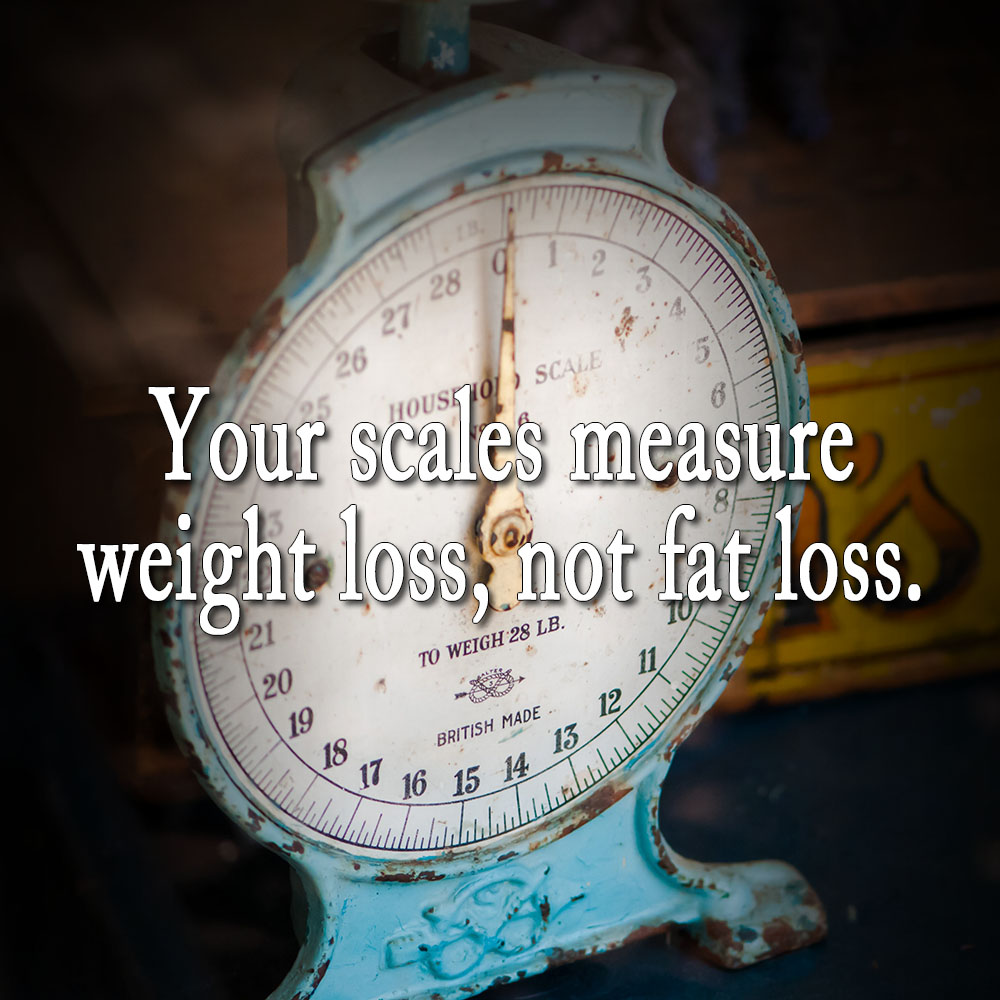
Many of us dread stepping onto the bathroom scale. While the number it shows may be accurate, it can still feel discouraging—or even painful. Although the scale doesn’t lie, there are both advantages and drawbacks to using it as a primary tool for tracking weight loss.
Did someone tell you that you must weigh yourself every day? Maybe you read it in an article or heard it in a video. In reality, if your usually comfortable clothes feel tight, you don’t need a scale to tell you that your weight has changed. Likewise, if you are carrying excess weight, the persistent heaviness, low energy, or sluggishness you feel can be a strong indicator that reducing body fat would improve your health.
The debate over daily weigh-ins continues, and the truth is that there is no universal answer. Some people find daily weigh-ins motivating and grounding, while others find them discouraging or emotionally draining. How often you use the scale should depend on your personality, mindset, and goals—not on a rigid rule.
A scale is simply a measuring tool. While it provides a factual number, it does not tell the full story of your health. Body composition, muscle mass, hydration levels, hormones, and overall well-being all matter. Allowing the scale to dictate your mood or self-worth is a misguided approach to long-term health.
If you’re actively working on weight loss, the scale can be helpful for monitoring trends over time. However, if stepping on it leaves you frustrated, anxious, or discouraged—especially when progress appears slow or reversed—it may be time to change how you use it. Don’t let the scale weigh you down.
If you’re someone who feels motivated by tracking daily data and can view the number objectively, there is nothing wrong with weighing yourself frequently. On the other hand, if the scale lowers your self-esteem or triggers sadness or stress, give yourself permission to step away. In some cases, less information truly is better for your mental health.
Your Weight Naturally Fluctuates
If daily ups and downs on the scale cause you to panic, then daily weigh-ins are likely doing more harm than good. Reacting emotionally to small fluctuations—especially if it leads to comfort eating or giving up—can derail your progress entirely. Instead, stay focused on your primary goal: reducing body fat and improving your health.
A weekly weigh-in is often a better option. Choose the same day each week, weigh yourself at the same time, and under the same conditions—ideally first thing in the morning before eating or drinking. This consistency helps provide a clearer picture of true progress.
Body weight can fluctuate due to water retention, digestion, sodium or carbohydrate intake, hormonal shifts, and even stress. Treating a single scale reading as an absolute measure of success or failure adds unnecessary pressure—and stress is never part of a healthy lifestyle.
It’s also important to remember that body weight is not the most accurate indicator of body fat. Tools like body fat calipers or progress photos provide better insight. While the scale can help identify trends, it cannot distinguish between fat loss, water shifts, or muscle gain.
Used correctly, the scale can be a useful guide. Used emotionally, it can become a source of unnecessary frustration.
Final Thoughts
The scale is a tool—not a verdict. It does not define your worth, your effort, or your progress. Health is built through consistent habits, not daily numbers.
If the scale supports your motivation and keeps you accountable in a healthy way, use it wisely. If it undermines your confidence or adds stress to your journey, limit its role or remove it altogether. The most important measure of success is how you feel, how your habits are improving, and how sustainable your progress is over time.
Weight loss is about building a healthier life—not winning or losing against a number.