When you carry extra weight, its impact goes far beyond how you look in the mirror. In addition to affecting confidence and self-esteem, excess body fat—especially around the midsection—raises your risk for high blood pressure, high cholesterol, heart disease, type 2 diabetes, and stroke.
So, as you begin a weight-loss journey, it’s natural to expect your belly to shrink. But that leads to a common question many people ask:
Does your stomach actually shrink when you lose weight?
Let’s take a closer look.
To Shrink or Not to Shrink?
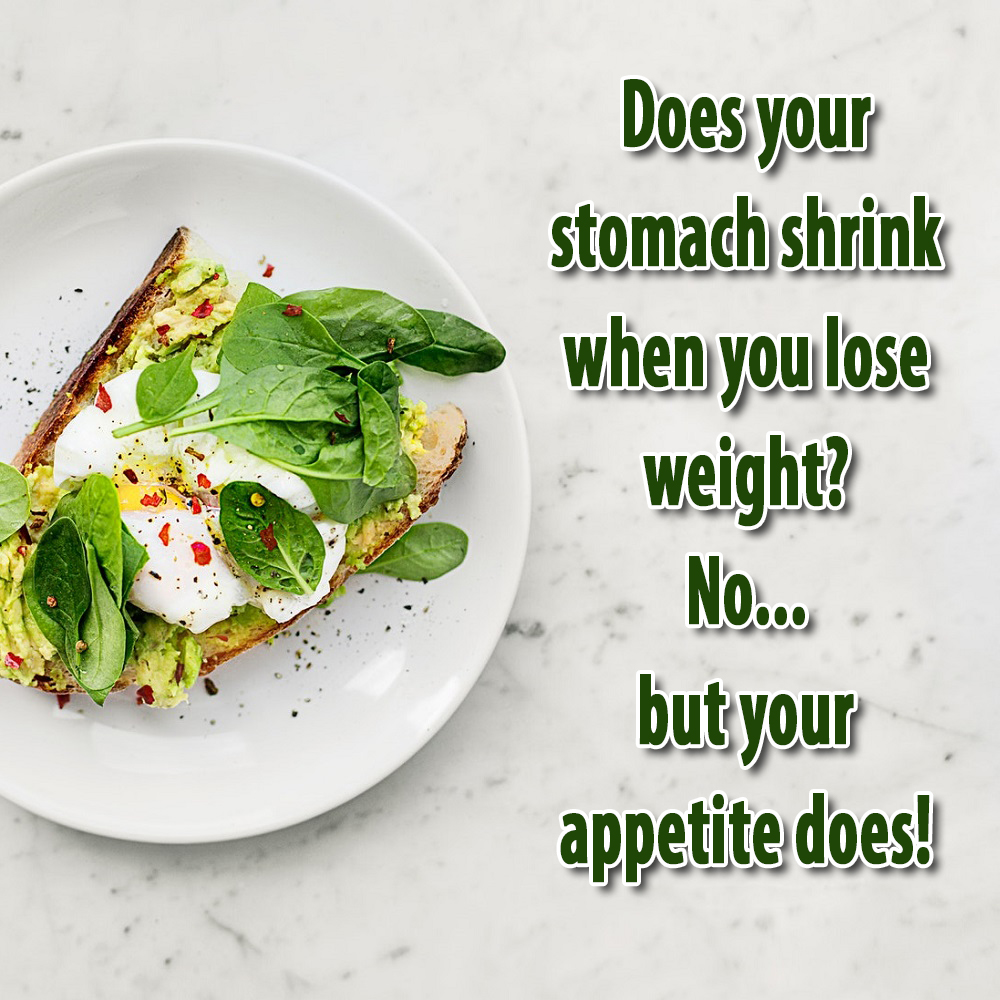
The short answer is no—your stomach does not physically shrink as you lose weight. However, the full explanation is a little more nuanced.
Your stomach is a highly adaptable organ designed to stretch and relax. It has a built-in mechanism called receptive relaxation, which allows the stomach muscles to loosen as food enters. This reflex enables the stomach to expand—sometimes up to five times its resting size—to accommodate a meal.
Before eating, your stomach is relatively small. After eating, it expands. Once digestion is complete, it returns to its normal size. This expansion and contraction happen regardless of whether you are gaining weight, losing weight, or maintaining your weight.
Some research suggests that repeated eating habits may influence how strongly this reflex responds. Neural signals and hormones involved in hunger, satiety, and thirst can change over time based on eating patterns. These shifts can influence how full you feel, not the actual size of your stomach.
That distinction matters.
Why It Feels Like Your Stomach Shrinks
As you lose weight and begin eating smaller, more appropriate portions, something interesting happens—you start feeling full sooner. This often leads people to believe their stomach has physically shrunk.
In reality, what’s changed is:
- Your portion tolerance
- Your hunger and fullness signaling
- Your habits and expectations around food
When you overeat after weeks or months of smaller meals, you may feel uncomfortable much faster than before. That discomfort isn’t because your stomach got smaller—it’s because your body has re-adapted to healthier intake levels.
In short, your relationship with food has changed, not the size of your stomach.
Intake, Capacity, and Weight Loss
In its relaxed, empty state, the human stomach is roughly the size of a clenched fist. Once food enters, the stomach expands and contracts as part of the digestive process.
If you’ve ever sat down to a large holiday meal—think Thanksgiving—you’ve likely felt bloated, tight, and uncomfortable afterward. That “I need to unbutton my pants” feeling isn’t weight gain, and it isn’t your stomach growing permanently. It’s simply your stomach temporarily stretching to handle a large volume of food.
After digestion, the stomach returns to its baseline size. This process is entirely normal and completely unrelated to fat loss or weight gain.
Practical Strategies That Help
While you can’t physically shrink your stomach without surgery, you can support appetite control and fullness in healthy ways:
Eat Smaller, Regular Meals
Some people find success with smaller, balanced meals spaced every 2–3 hours. This can help prevent extreme hunger and reduce the urge to overeat later in the day.
Focus on Fiber
Fiber plays a major role in satiety. It helps you feel fuller for longer, supports digestion, and is linked to reduced risk of high cholesterol, heart disease, certain cancers, and type 2 diabetes.
Good fiber sources include:
- Vegetables
- Fruits
- Whole grains
- Legumes
Prioritize Protein and Hydration
Lean protein supports muscle maintenance and fullness, while adequate water intake helps prevent mistaking thirst for hunger.
Can Your Stomach Ever Actually Shrink?
The only way to physically reduce the size of your stomach is through bariatric surgery, such as gastric sleeve or gastric bypass procedures.
These surgeries permanently alter stomach capacity, limiting how much food can be consumed at one time. Even then, long-term success depends on strict dietary habits. Without them, the stomach can stretch over time, and weight regain can occur.
Surgery is not a shortcut—it requires lifelong commitment and medical supervision.
Final Thoughts
Your stomach does not physically shrink when you lose weight—but that’s actually good news.
What does change is far more important: your appetite regulation, portion awareness, and relationship with food. As your body adapts to healthier eating patterns, you naturally feel satisfied with less. That shift is a sign of progress, not deprivation.
Successful weight loss isn’t about forcing your body to become smaller—it’s about teaching it to function better. When you focus on balanced meals, proper portions, fiber, protein, and consistency, your body responds accordingly.
In the end, it’s not a smaller stomach that leads to lasting weight loss—it’s smarter habits that last long after the scale moves.